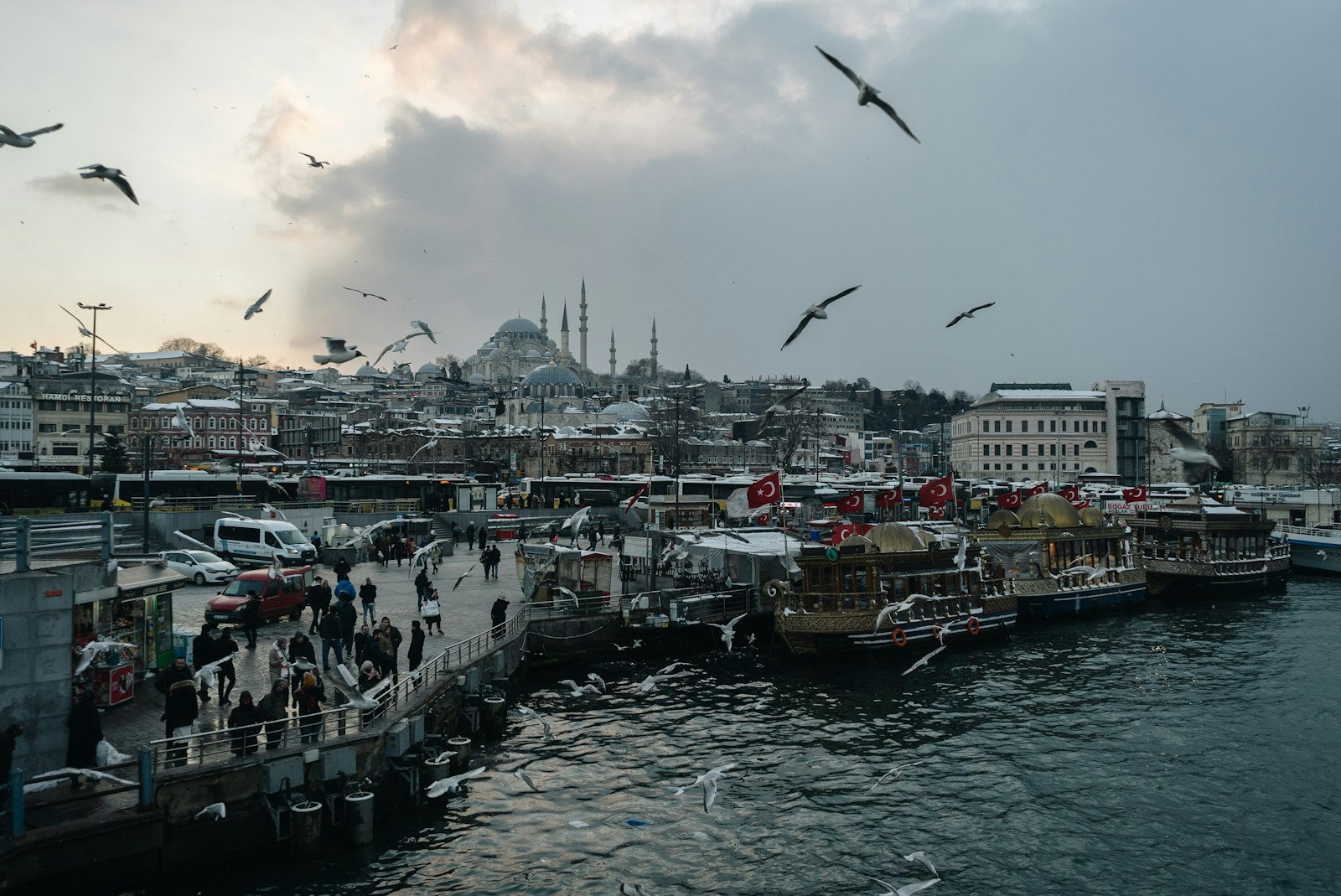
Turkey is the destination people discover after Croatia and Greece, and then wonder why they waited. The coastline between Bodrum and Antalya is long, deeply indented and, for most of the season, reliably calm.
It also has something the other Mediterranean charter countries do not: a native charter format with a name and a tradition behind it.
What a blue cruise actually is
The mavi yolculuk, or blue cruise, is a slow, crewed trip along the Turkish coast, traditionally aboard a wooden gulet. The rhythm is deliberate: short hops, long swimming stops, meals cooked aboard and anchoring overnight in a bay rather than pushing on to a marina.
A gulet carries more people than a sailing yacht of similar cost, comes with crew as standard and is built for sitting on deck rather than trimming sails. For a group of eight to sixteen it is often the most economical way to charter anywhere in the Mediterranean.
It is not for people who want to sail. Gulets motor most of the time. If the sailing itself is the point, charter a monohull or catamaran instead and use the same coastline.
The three main charter regions
Bodrum is the busiest base, well connected by air, and the gateway to the Gulf of Gökova with its sheltered bays and famously warm water.
Göcek and Fethiye sit in the middle of the coast and are the classic blue cruise territory: dozens of protected anchorages within short distances of each other, pine forest running down to the water, and very little open sea to cross.
Marmaris covers the ground between the two and works well for trips that want a mix of marinas and quiet bays.
All three also give access to the Dodecanese islands on the Greek side, though crossing an international border mid-charter needs to be agreed with the operator in advance and is not always permitted.
What it costs
Turkey is consistently cheaper than Italy or France for a comparable boat, and generally a little below Croatia once crew and mooring are counted.
Three things keep the total down. Marina fees are lower. Many bays have restaurant pontoons where mooring is free or nearly free if you eat ashore. And crewed formats are so normal that the crew premium is smaller than elsewhere.
Fuel is the item that surprises people, particularly on gulets and motor yachts that run engines for most of the day. Ask how fuel is charged before you book, because the answer varies between included, hourly and consumption-based.
When to go
The season runs from late April to late October, which is longer than most of the Mediterranean.
June and September are the best combination of warm water, manageable heat and reasonable prices. July and August are hot, genuinely so inland and on deck, and busiest in the popular bays.
May and October are quiet, cooler and excellent value, with sea temperatures that are still comfortable for swimming at both ends.
Practical notes
- A transit log is required and is normally arranged by the operator; confirm whether it is inside your price.
- Some bays are inside protected areas with anchoring rules; crewed boats handle this for you.
- Cash is still useful in smaller bays and at restaurant pontoons.
- Distances look short on a map but the coast is deeply cut, so plan fewer stops than you think you want.
For a first trip, a crewed gulet out of Göcek covering the bays between there and Fethiye is close to a guaranteed good week. The sailing is minimal, the swimming is exceptional and the logistics are somebody else’s job.
What a week in the bays actually looks like
A typical Göcek week rarely covers much ground, and that is the point. Boats leave in the morning, motor or sail for an hour or two, and anchor by lunchtime in a bay ringed with pine trees.
Many of those bays have a small restaurant with its own pontoon. You tie up, the mooring is free or nominal on the understanding that you eat there, and dinner arrives at a table a few metres from the boat. It is one of the most pleasant arrangements in Mediterranean chartering and it does not really exist elsewhere.
Between the two you swim, take the tender ashore, and do very little. Guests arriving with an itinerary usually abandon it by day three.
If you want more movement, the run from Bodrum around the Gulf of Gökova, or from Fethiye east towards Kaş, adds real distance without leaving sheltered water for long.
Frequently Asked Questions
Is a gulet the same as a yacht charter?
It is a charter, but a distinct format: a wooden motor-sailer with crew, built for comfort at anchor rather than for sailing performance.
Can I sail from Turkey to the Greek islands?
Sometimes, but it involves an international border crossing and must be agreed with the operator in advance. Many charters do not permit it.
Do I need a licence to charter in Turkey?
Most Turkish charters are crewed or skippered, in which case no certificate is needed. Bareboat is available but less common.
When is the water warmest?
August, with September close behind and considerably less crowded.