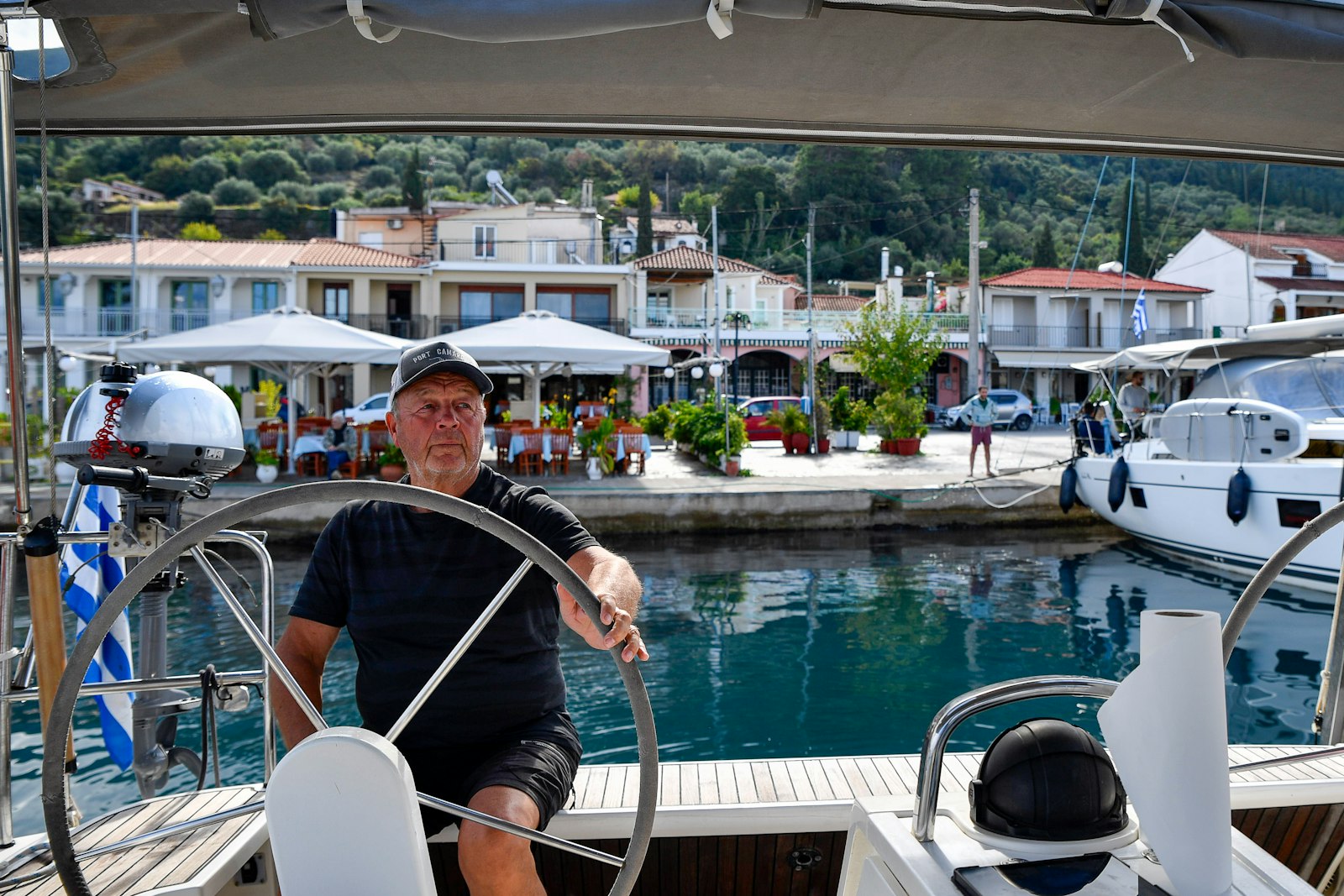
Tipping is the part of chartering with the least published guidance and the most anxiety attached. People either hand over far too much out of embarrassment, or nothing at all because nobody told them, and the crew are too professional to mention it either way.
The conventions are actually settled. Here they are.
The number
For a fully crewed charter the customary gratuity is 5 to 15 per cent of the base charter fee, with 10 per cent the standard figure for a week. That band is the one the industry’s own guidance uses.
Brokers quote slightly differently at the edges. Some suggest 10 to 20 per cent; others 10 to 15 for excellent service. The honest summary is that 10 per cent is unremarkable, 15 signals that the week was genuinely good, and 5 is low but not insulting.
Regional expectation differs and it is worth knowing which market you are in. In the Mediterranean, tips sit at the lower end — around 10 to 15 per cent. In the Caribbean and the United States they run nearer 15 to 20. Advice written for one market reads oddly in the other.
What you calculate it on
This is where people go wrong and it matters, because the sums are large.
Tip on the base charter fee, not on the total you paid. The advance provisioning allowance is not part of the base: it is a float that pays for what the boat consumes — fuel, berths, food, drink — and tipping on it means tipping on your own diesel. The APA explained sets out the distinction, and it is the single most common source of over-payment.
VAT is not part of it either. Nor are the delivery fee, the park fees or the local charges in the paperwork.
So on a €60,000 base fee, 10 per cent is €6,000 — calculated before the €20,000 allowance and the tax, not after. How charter prices are built shows where each element sits.
How it is handed over
At the end of the charter, in a single sum, to the captain, who distributes it among the crew on your behalf. That is the convention and it is nearly universal.
Tipping individual crew members separately is not normal practice and quietly causes problems — it cuts across whatever internal arrangement the crew have, and it puts the chief stewardess in an awkward position if the deckhand was handed cash directly. Pool it.
Cash is traditional and still preferred, in the local currency or euros. Some operators will add the gratuity to the final invoice if you ask, which is easier for a large sum and worth arranging in advance rather than discovering you need €6,000 in notes on a Friday evening in a village.
An envelope and one sentence is the whole ceremony. Nobody expects a speech.
Skippered charters, which are different
Most people chartering in the Mediterranean are not on a fully crewed yacht — they have a skipper, or a skipper and a host, on an otherwise standard boat. The percentage convention does not transfer there, because the skipper’s day rate is already a separate line in your invoice rather than part of a large base fee.
The practical convention is a fixed amount: broadly in the region of €100 to €200 for a week for a skipper who did the job, more if they went well beyond it. For a skipper and a host together, roughly double.
What “beyond it” looks like is specific: taking the boat somewhere better than the plan because they knew the forecast, sorting out a technical problem without making it your problem, cooking when nobody else wanted to, handling a seasick guest well. What a skipper actually does covers the range of the role, which is wider than most crews realise at the start of the week.
On a bareboat charter there is nobody to tip. The base staff who did the handover are not tipped, and the formats are compared in the three charter types.
Day charters and gulets
On a day charter the convention is simply restaurant-like: 10 per cent of the price, or a round sum per person, handed to the skipper at the end. On a day boat with one person driving, €20 to €50 for a group is normal.
On a gulet the crew is usually three or four people including a cook, and the percentage convention applies — around 10 per cent of the charter price, pooled and given to the captain. Because gulets carry large groups, this is a good item to raise early with everybody rather than on the last morning: twelve people discovering a €900 obligation at breakfast is a bad end to a good week. Comparing a gulet with a catamaran covers the format, and the Turkish gulet fleet is where most of them are.
Who is actually on the boat
It helps to know what you are tipping for, because the roles are not interchangeable and the work is less visible than it looks.
On a crewed sailing yacht or catamaran of 50 to 60 feet, the usual complement is a captain and a host — frequently a couple. The captain runs the boat, the weather and the route; the host cooks three meals a day for up to twelve people from a galley the size of a cupboard, provisions in villages, and keeps the interior in order. The second job is the harder one and the less appreciated.
On a larger motoryacht you add an engineer, a chef and one or more stewardesses, and the hours are long: crew are up before guests and finish after them, every day, for the whole season.
On a gulet the captain is often the owner, and the cook is frequently a family member. The tip goes further in a smaller operation than it does on a corporate-managed yacht.
None of this changes the percentage. It does explain why the convention exists in an industry where base pay is modest and the season is short.
The conversation to have at the start
Two minutes on the first day prevents the awkwardness at the end.
Ask your broker, before departure, what the expected gratuity is for this specific boat and region. They will tell you plainly, and some contracts include guidance. If the sum is large, ask whether it can be added to the final invoice.
Then, if you are in a group, agree the number and how it is split among you before anybody boards. On a boat of twelve this is the difference between a smooth last morning and a negotiation at breakfast — the same logic that applies to the per-person charges in the local taxes and to corporate bookings where somebody has to put it on an expense claim.
And one practical note: get the cash before you leave the mainland. Island cash machines run out in August, and arriving at the last harbour needing several hundred euros in notes is a genuinely common problem. What to bring covers the rest of the things that are easier to sort before departure than during.
When to tip less, and how
Tipping is discretionary, and the band exists because service varies. If the week was poor, 5 per cent is a legitimate signal, and nothing at all is legitimate if something was genuinely wrong.
But separate the crew from the boat. A broken generator, an old tender or a cabin smaller than the photographs are the owner’s responsibility and not the crew’s, and reducing the crew’s gratuity for them punishes the wrong people. Those belong in a conversation with the operator and, if it comes to it, in the deposit discussion — how the deposit works.
If the service itself was the problem, say so to the broker as well as reducing the tip. Crews are placed on boats by reputation and a quiet word travels further than a smaller envelope.
What to budget
Put it in the plan at the start rather than meeting it at the end. For a crewed charter: base fee, plus VAT, plus 30 to 40 per cent allowance, plus 10 to 15 per cent gratuity. For a skippered boat: the charter, the skipper’s day rate, their food, and a couple of hundred euros.
It is not optional in practice, whatever the word discretionary suggests, and a crew who have run a good week have earned it. The rest of the cost structure is in what the price includes, and the country-level totals in Croatia, Greece and the French Riviera. If the format itself is still open, the route through the boat types is the earlier question, and the fleets are at Croatia, Greece and across the Mediterranean.