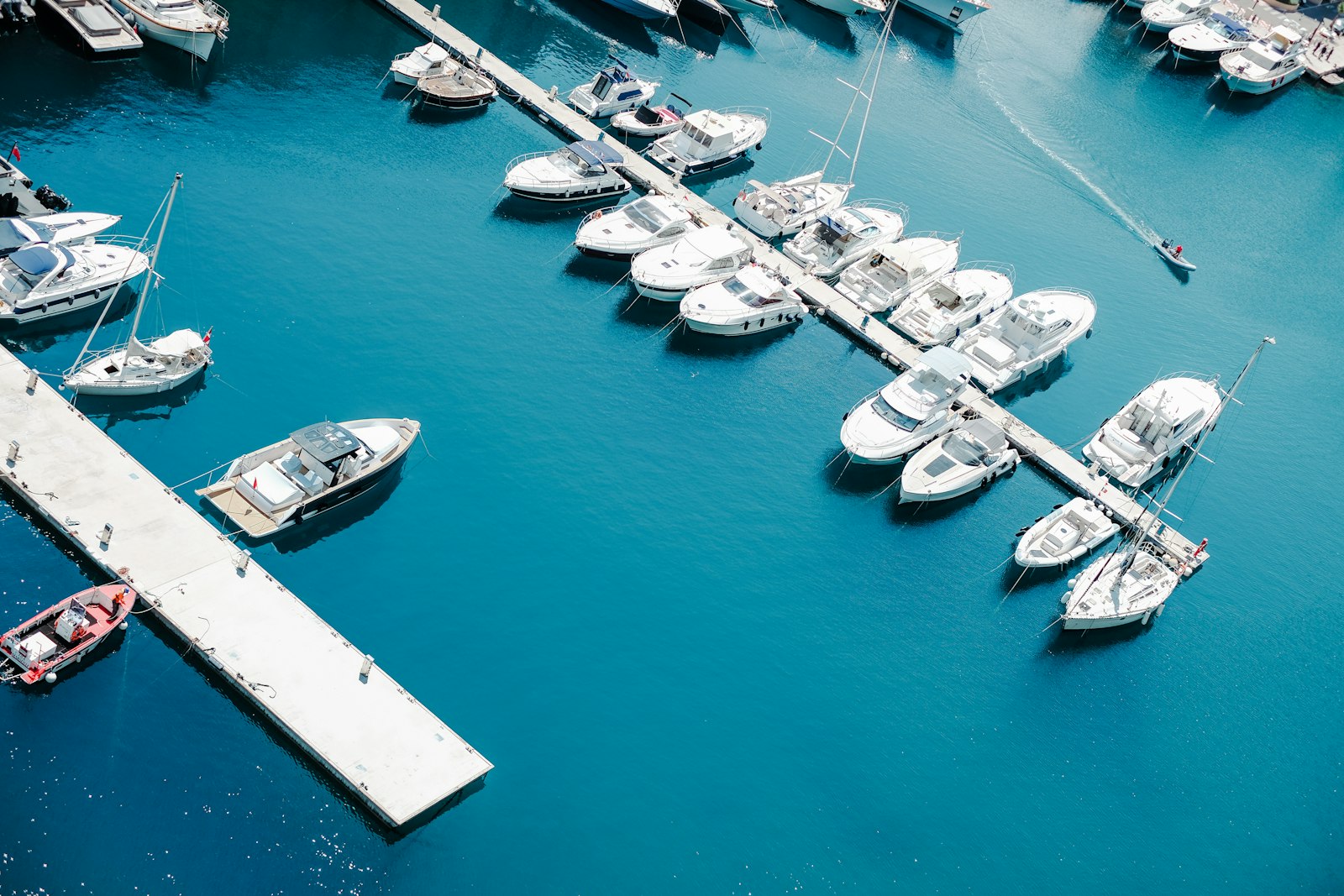
A boat is an unusually good venue for a company event, for one structural reason: nobody can leave. That is the whole mechanism. A conference room empties at the first coffee break and a boat does not, which is why client days and team days on the water produce conversations that a hotel does not.
It is also a procurement exercise, and that is the part that goes wrong.
Which format fits which event
A half or full day is the right answer for almost every corporate booking. Eight hours, out in the morning, two or three stops, back by evening, everyone sleeps ashore. Nobody has to share a cabin with a colleague, nobody who dislikes boats is trapped overnight, and the budget is a fraction of a week. Why a day is a different product covers the mechanics.
A week only works for small senior groups who already know each other — a founding team, a board, a sales incentive for four people. Twelve colleagues on a boat for seven nights is a management problem rather than a reward.
Multiple boats is the underused option for a larger group: four boats of six, sailing the same short route, with the teams mixed deliberately. It is competitive, it gets people talking who otherwise would not, and it scales. The format is essentially a private flotilla — see how flotilla sailing works.
The boat
For a corporate day the requirements are different from a holiday, and deck space beats everything.
A motoryacht is the default: large flat decks, shade, a saloon for the part of the day that involves talking, air conditioning, and a bathroom that twelve people can use. It does not depend on wind, which matters when the agenda has times in it.
A catamaran is the better value answer and frequently the better event — level decks so people can stand and talk, a cockpit that seats everyone at one table, and a swim platform. For a group of ten to twelve it is the sensible middle.
A gulet suits larger groups where the point is lunch and swimming rather than sailing: a long table on deck, a crew, a cook, and room for sixteen people to spread out. The comparison between the two is the decision above eight people.
And for something competitive, several RIBs or small motor boats turn the day into an activity rather than a venue — see what a RIB day involves.
What to avoid: a heeling monohull with a mixed group who have not sailed. Half of them will be anxious and some will be unwell, which is the opposite of the intended effect. If anybody is likely to struggle, the motion question is worth reading before booking, and the answer is a level deck.
Activities, and whether you need them
Operators offer structured team-building — water sports, treasure hunts, sailing challenges, competitive games between boats — and will tailor them to stated objectives.
These work well when the group is large, when people do not know each other, or when the brief genuinely is team-building rather than entertainment. They are unnecessary and slightly embarrassing with a small senior group, for whom the boat, lunch and three hours of unstructured conversation is the product.
Decide which you are running before you ask for quotes, because operators will otherwise sell you the structured version by default.
If swimming or diving is part of it, say so early: equipment and instructors need arranging, and in some areas permits apply — diving and snorkelling from a yacht covers that.
The quote, read as an invoice
This is where corporate bookings differ from private ones, because somebody in finance will have to reconcile it.
Get an itemised quote and confirm, line by line, what is inside the base rate: fuel for the planned route, the crew, catering, bar, ice, cleaning. Day operators frequently include fuel, crew, basic drinks and cleaning and exclude only the gratuity — but “frequently” is not a basis for an expense claim.
Then confirm what sits outside it:
Crew gratuity, which is customary and explicitly excluded by most operators. On a day charter it is around ten per cent — see the convention. Decide in advance who pays it and how, because cash handed over by an employee at the end of the day is the single most awkward item on a corporate charter to reclaim.
Catering and bar, if not inside. Specify the standard rather than leaving it to the operator, and collect dietary requirements from attendees at the invitation stage rather than on the quay.
Transfers to and from the boat, which some operators include and most do not.
Activity fees for water sports or equipment.
VAT, which differs by country and is frequently quoted separately — the structure is in how charter prices are built.
And ask for a proper VAT invoice in the company’s name before you pay, not after. Some smaller day operators work on a cash basis and cannot issue one, which is a problem discovered too late unless you ask first.
Terms worth reading for a corporate booking
Cancellation and deposit. Corporate dates move. Find out what you forfeit and when, and whether the date can be shifted rather than cancelled. Cancellation and insurance covers the options, and for a company event the cover is usually worth buying.
The weather clause. This is the one that matters most and the one nobody checks. If the forecast is poor on the day, does the operator reschedule, refund, or run a shorter inshore version? Get the answer in writing, because a cancelled client event with a non-refundable invoice is a bad week for whoever booked it.
Liability and guest numbers. The certified capacity is a legal limit, not a guideline, and turning up with fourteen people for a twelve-person boat means two of them stay ashore. Confirm the number and hold the invitation list to it — the realistic headcount explains why comfort sits below the maximum anyway.
The rest of the small print is in the contract lines worth reading twice.
Where to do it
Corporate day charters concentrate where business travel already goes and where there is a city waterfront: Split and Dubrovnik, Athens, the Balearics and the French Riviera, which is where the pricing runs highest.
If the event is attached to a conference, the base needs to be reachable in twenty minutes from the hotel — which rules out several otherwise excellent charter towns. The Croatian motor yacht fleet, the Greek one and Croatian catamarans are the practical places to look, and if the format is still open, the route through the boat types comes first. The wider fleets are at Croatia, Greece and across the Mediterranean.