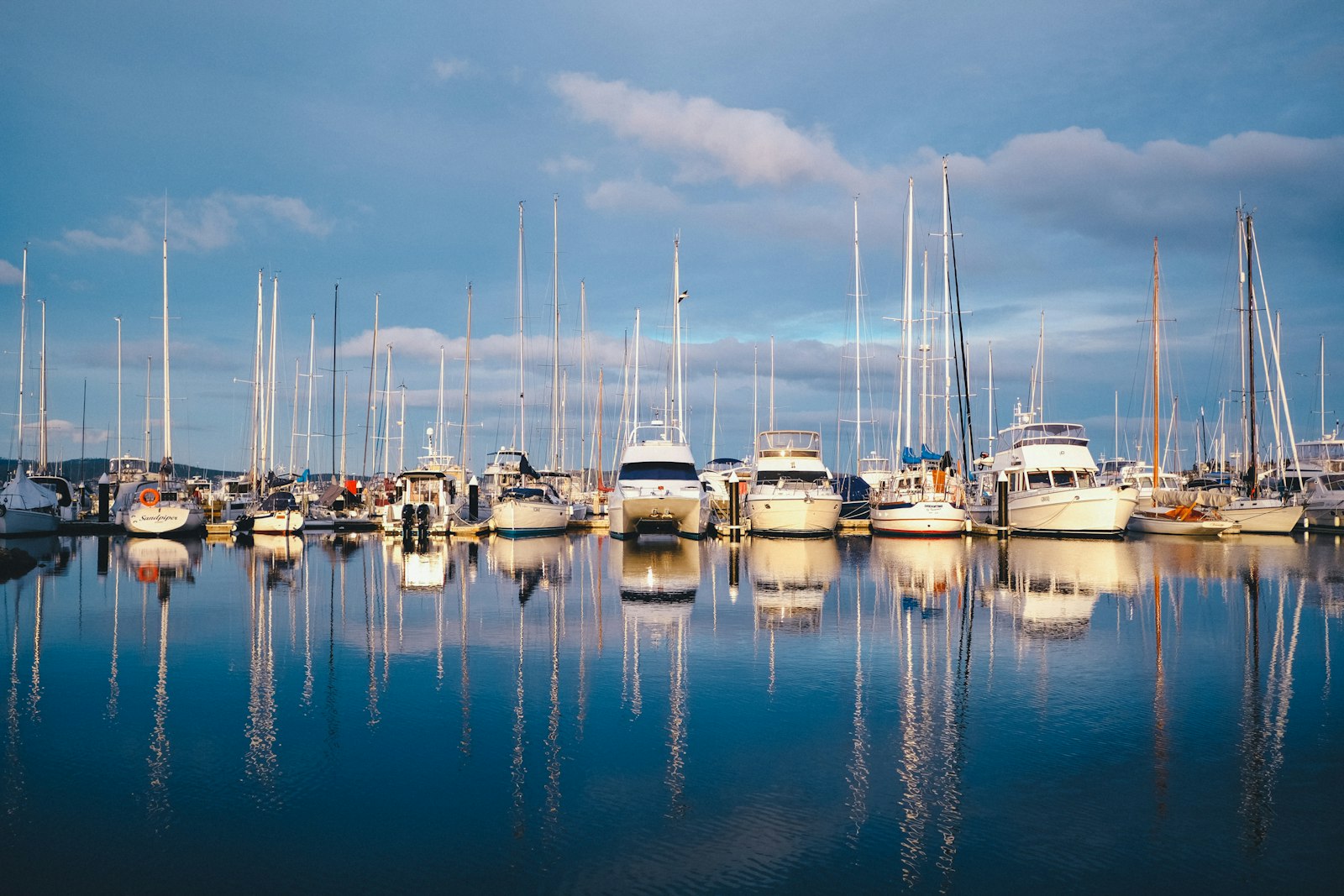
The Mediterranean charter season does not end. It thins out, moves south, and gets considerably cheaper, and somewhere in that process most people stop looking. October is the best-value month on the calendar and November is a real option in a narrower set of places. Both deserve more attention than they get.
The reason they are overlooked is a calendar habit rather than a weather fact. Schools go back, the idea of a summer holiday closes, and fleets quietly keep sailing for another six to eight weeks.
What the weather actually does
Three things change together in autumn, and only one of them is bad.
The wind calms down. The summer systems that define July and August lose their edge from mid-September. In the Aegean the meltemi stops being the thing you plan the whole week around — if it has shaped your previous trips, how that wind behaves explains why its absence changes the route so much. In the Adriatic the afternoon thermal softens, which means less free sailing and more engine, and that shifts the fuel line in your budget.
The sea is at its warmest. Water temperature lags air temperature by about six weeks, so early October swimming is better than June swimming. This surprises people every year. The bays are warm and empty at the same time, which is a combination that does not occur in August at any price.
Rain becomes possible. This is the honest cost. October and November are among the wetter months across the region, though the monthly totals stay modest — generally under about 75 mm even in autumn. It arrives as a front with a day or two of grey rather than as an afternoon shower, and the northern Adriatic catches more of it than anywhere else. Plan a week with one spare day in it and the risk mostly disappears.
Where the season still works, in order
Latitude decides this, and the list runs roughly south to north.
Turkey holds its season longest. The Turquoise Coast is the most southerly charter region in the Mediterranean and stays warm well after the rest has cooled. It is also where the gulet fleet lives, and a gulet in late October is one of the better-value weeks available anywhere — the boats are large, the crews are included, and the demand has gone. The wider picture of chartering in Turkey is worth reading alongside this.
The Greek islands keep warmth and usable breeze until around mid-October. The Dodecanese, close to the Turkish coast, outlast the Cyclades by a couple of weeks: Rhodes and Kos are still comfortable when Mykonos has gone quiet. The Ionian, on the western side, is more sheltered and more green, and Corfu runs late as well. The Ionian in general suits an autumn week better than the Aegean does, because its anchorages are protected rather than exposed.
The Balearics have an unusually extended season — Mallorca commonly runs into November, and Spain generally gives you the warmest November water in the western basin. The route out of Palma works in autumn with the single difference that the eastern anchorages become more weather-dependent.
Italy splits in two. Sicily and the south stay good into late October; the Amalfi coast gets its best light of the year in October with a fraction of the boat traffic. The north cools faster.
Croatia and the Adriatic are a genuine October destination and a marginal November one. Split and Dubrovnik still have fleets out in the first half of October, the islands are empty, and the restaurants that matter are still open. By November most bases have hauled out. Which fortnight to pick in Croatia covers the earlier part of the year; autumn is the mirror image of late May.
The French Riviera is the outlier: the weather holds reasonably but the coast itself closes down socially, and much of what people charter there for is seasonal.
What it costs, and why
Autumn pricing is not a discount in the promotional sense. It is a different season band, and the gap is large — commonly 20 to 30 per cent below peak, and considerably more than that against the August fortnight. The same boat, the same crew, the same bay.
That gap changes what you can book rather than just what you pay. A budget that buys a mid-size monohull in August will often reach a catamaran in October, which for a family is a different holiday rather than a cheaper one. The arithmetic behind the seasons is set out in how charter prices are built, and the country-level numbers in Croatia and Greece.
Autumn is also when late availability genuinely favours the buyer, because an empty boat in the last fortnight of the season earns nothing at all.
What changes in how you plan
A few things work differently after the first week of October, and none of them are difficult once you know.
Days are shorter. Sunset moves back by roughly an hour and a half between early September and the end of October. A passage that was comfortable in July finishes in the dark in November. Either shorten the legs or read what changes after dark before you plan one.
Marinas get easier and cheaper. The scramble for a berth at four in the afternoon ends. You can arrive at seven and find space. Berth pricing also drops into the low-season band, which compounds the saving on the boat itself.
Boat type matters more. In settled summer weather almost anything works. In autumn, shelter and a cockpit you can close become real criteria. A motorsailer with an enclosed steering position is a far better autumn boat than its summer reputation suggests, and a cruiser with a solid cockpit enclosure beats an open one on a wet morning. If you have not fixed on a type yet, the route through the options is the place to start.
Some things close. Island restaurants, small ferries and shoreside services wind down from mid-October, earlier on the smaller islands. Provisioning needs a little more thought — how to stock a boat matters more when the village shop has shut for the winter.
Flexibility is worth paying for. With a real chance of one bad day, the terms under which you can move or cancel stop being theoretical. Cancellation and insurance is the one piece of small print that earns its reading in autumn.
Who should book an autumn week
Couples, and anyone without school dates to work around. Groups that care more about anchorages than nightlife. Anybody who has sailed the same region in August and left irritated by the crowding — this is the same coast with four fifths of the boats removed.
It suits a sailing yacht crew who are happy to motor some of the time, and it suits a catamaran better still, because the extra interior space is what you want on the one grey afternoon.
It does not suit a trip built entirely around swimming in November, a crew with no tolerance for a changed plan, or a route with long exposed passages and no spare day. For those, the honest answer is late May or June.
If the dates are flexible, look at the whole Mediterranean and let price and latitude choose the region for you, rather than fixing the destination first and discovering its season has closed.